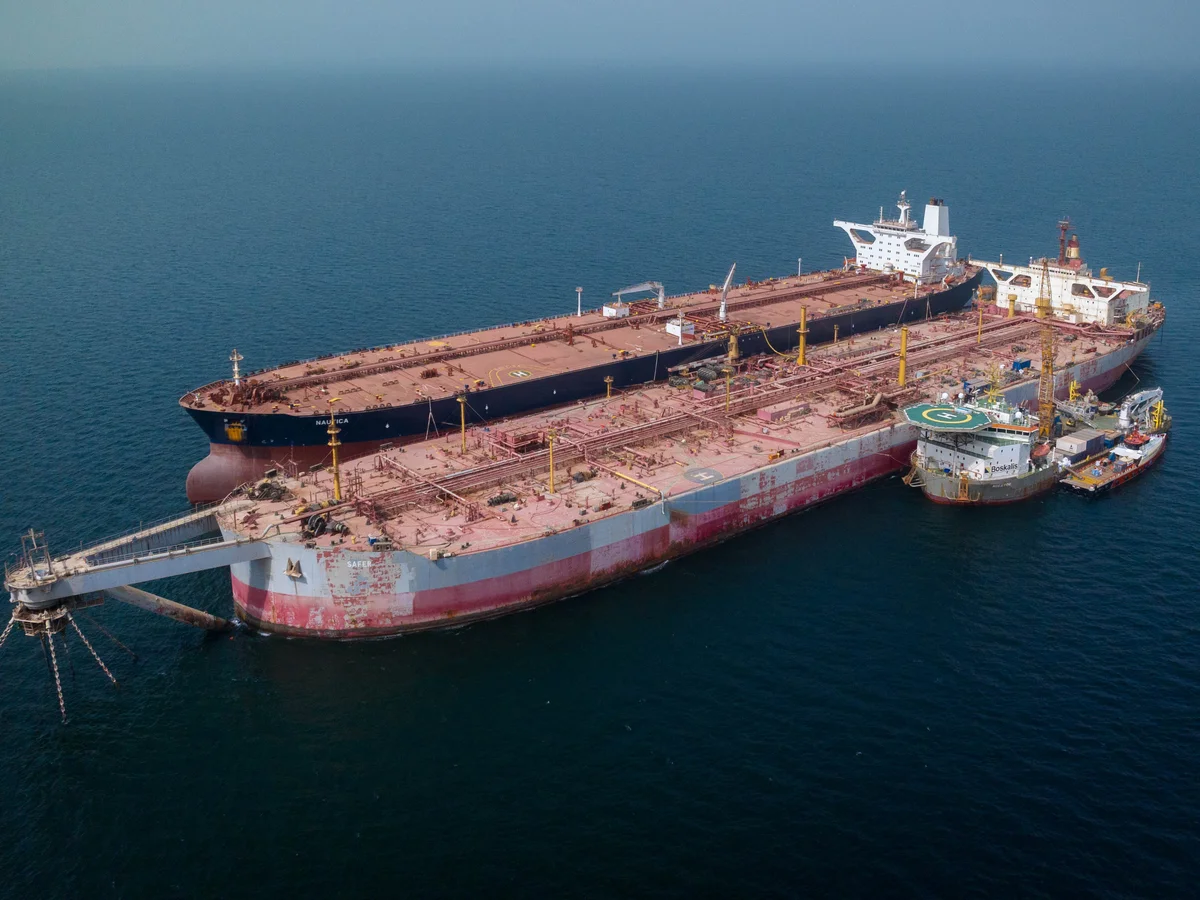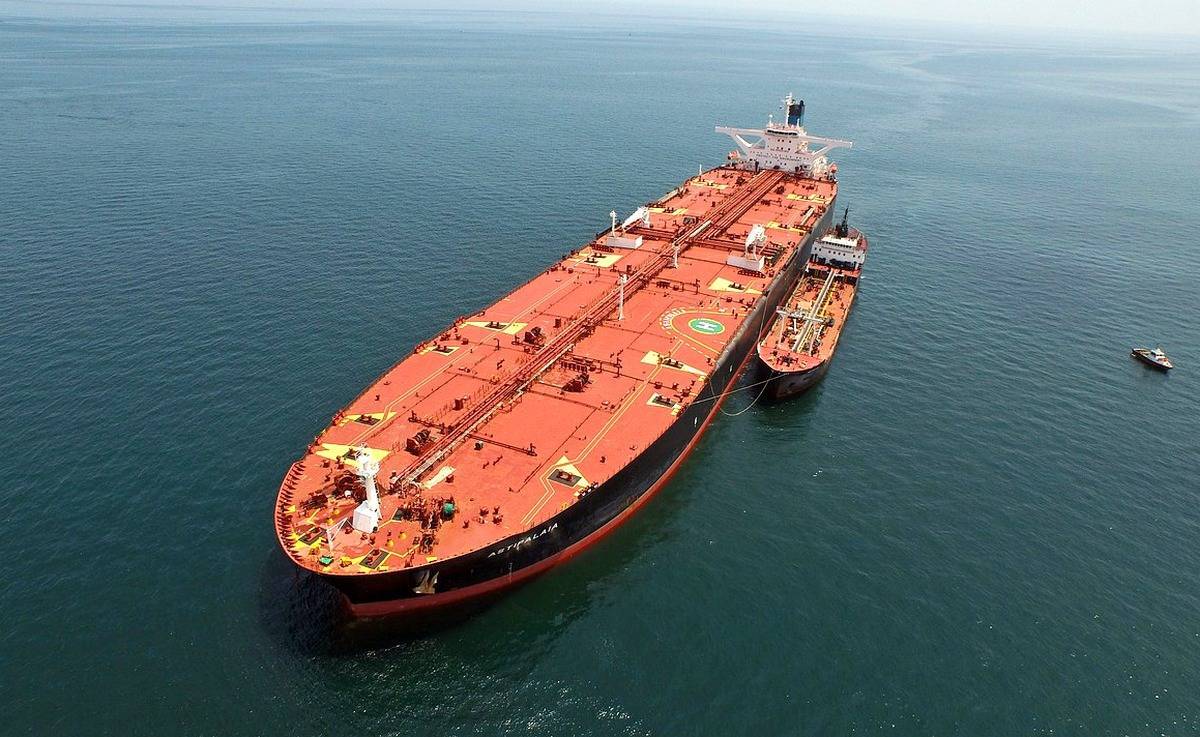
By 2026, the shadow fleet has evolved into a massive parallel shipping system, accounting for over 18% of the global oil tanker fleet and posing severe threats to maritime safety. These vessels, characterized by opaque ownership and a lack of standard P&I insurance, have caused significant physical damage to undersea infrastructure, such as the 2024 incident involving the Eagle S which struck critical data cables in the Gulf of Finland. Enforcement efforts have ramped up, with countries like Finland, Estonia, and Sweden conducting unprecedented high-seas boardings and detentions of vessels sailing under false flags. However, these actions face environmental blackmail, as the poor technical state of shadow tankers makes any forced intervention a potential ecological disaster.
The situation has escalated into a military confrontation, as the Russian Navy began formally escorting shadow vessels through the English Channel and the Baltic Sea to prevent Western detentions. This tactical shift is mirrored in the Middle East, where the 2026 war against Iran led to a de facto closure of the Strait of Hormuz, leaving it navigable primarily for Iranian shadow tankers. Meanwhile, the United States has intensified its own blockades against Venezuelan and Iranian ports, leading to controversial seizures in international waters that test the boundaries of UNCLOS. The maritime order is further strained by Ukraine’s unconventional use of long-range drones to strike shadow tankers in the Black Sea and beyond, highlighting a shift toward kinetic solutions when legal and economic sanctions fail to stop the flow of Russian oil wealth.