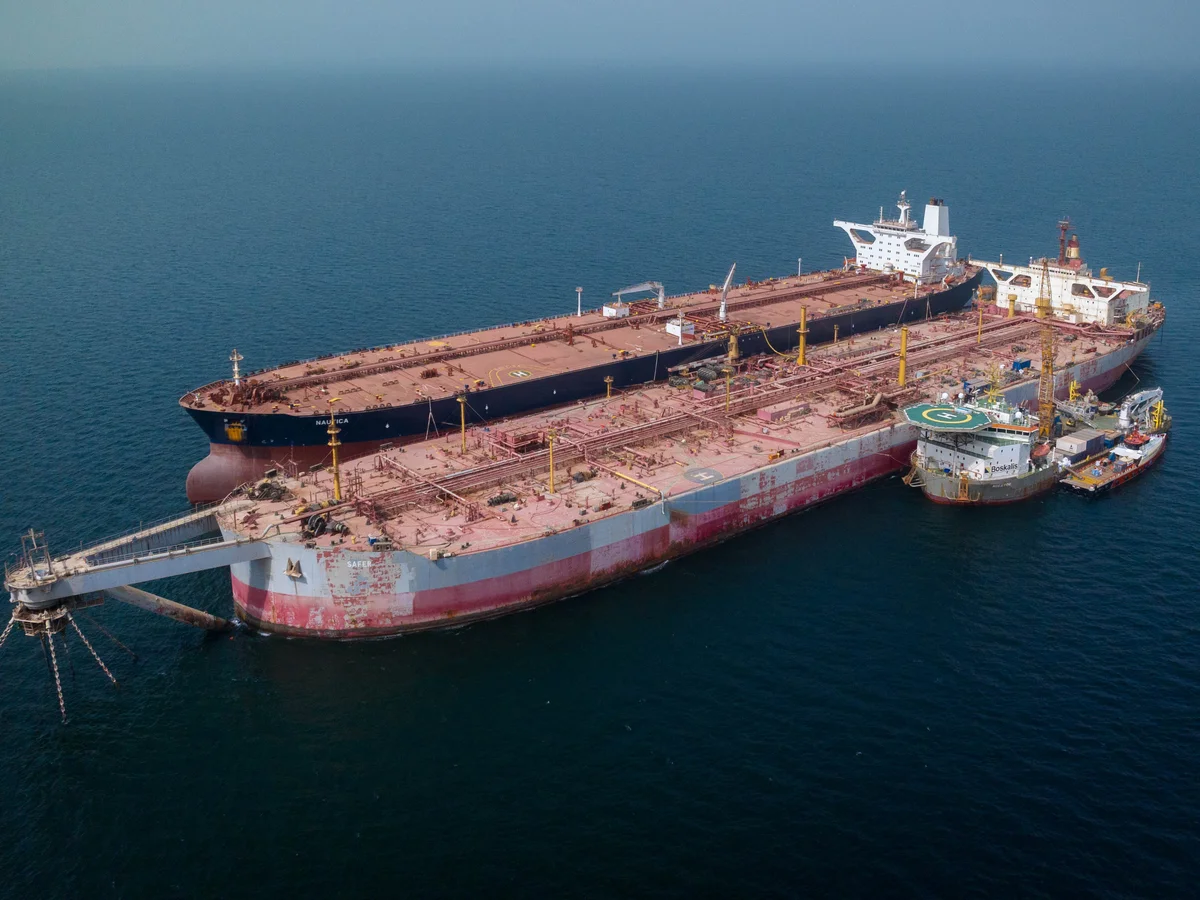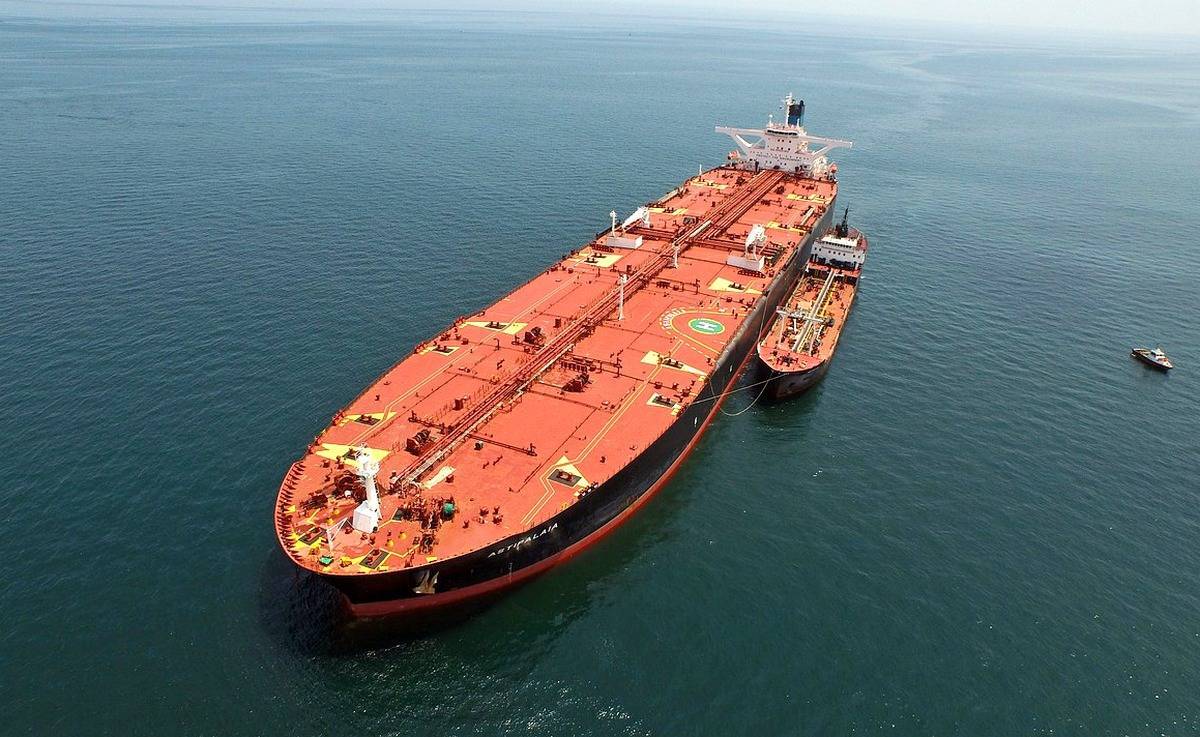
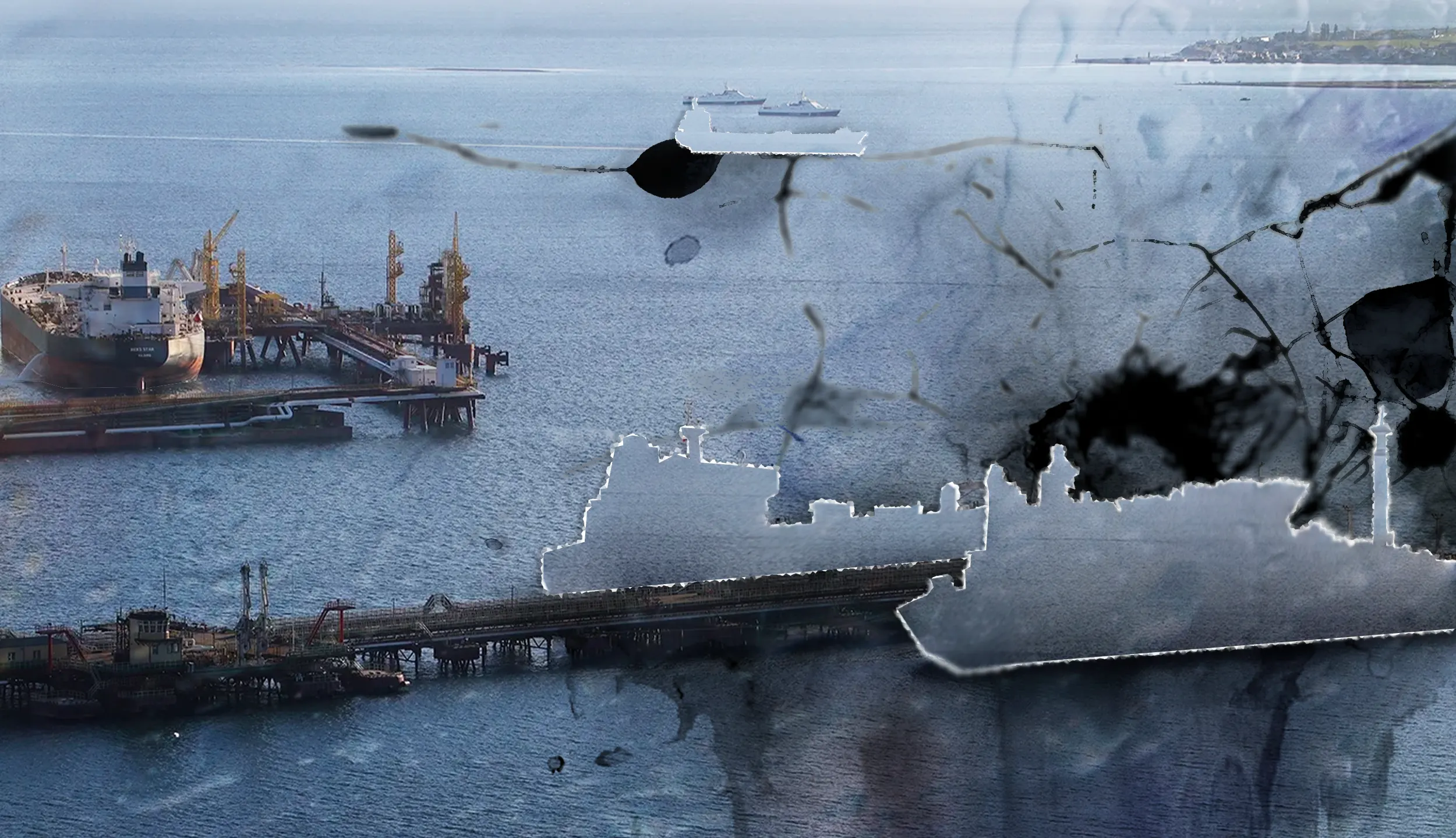
Oil is being transferred from tanker to tanker in the Gulf of Finland, just seven kilometers from the coastline of the Leningrad Region. Old vessels, with their navigational functions disabled, are offloading the environmentally hazardous crude right in the open sea. Experts warn that even a single oil spill could cause significant damage to the ecosystems of countries bordering the Baltic Sea, including Germany.
According to Marinetraffic, the Russian-flagged tanker Birthe Theresi anchored off the village of Pesochnoye (Leningrad Region) and spent the next day offloading oil products to other vessels.
When Birthe Theresi departed the St. Petersburg Oil Terminal, its draft (the depth to which a vessel enters the water—the deeper the draft, the more heavily laden the vessel is) was 5.9 meters. Over the course of the day, its draft decreased to 4.2 meters, indicating partial unloading.
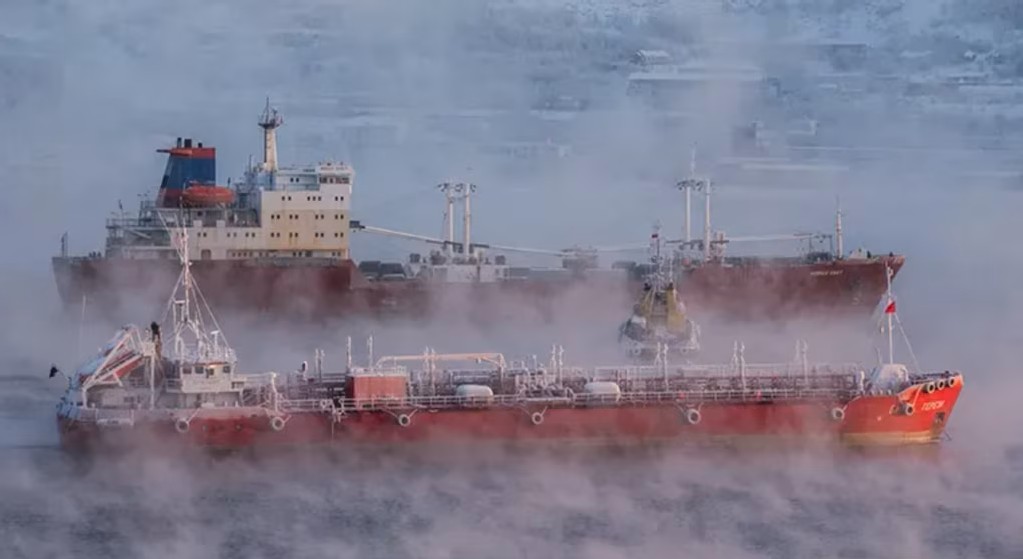
During the unloading, the following tankers were anchored near the Birthe Theresi:
The Sierra Leone-flagged Reus, a vessel subject to sanctions as part of a shadow fleet, arrived in the Gulf of Finland from Mangalore, India;
The Mariel (Sierra Leone), arrived from Sikka, India;
The Nautilus (Barbados), also arrived from Mangalore.
The Nautilus and the Birthe Theresi had encountered each other in this part of the Gulf of Finland before. On May 2, after such an encounter, the Nautilus’s draft increased from 8.4 to 11.3 meters, indicating that the Nautilus had received a significant cargo from the Russian vessel.
Prior to this, the Nautilus’s AIS transponder, the automatic identification system used to track vessels, had been disabled. Such actions are typical of sanctions evasion operations.
According to Sistema estimates, the Nautilus loading on May 2 resulted in the transfer of approximately 200,000 barrels of oil, worth approximately $12 million.
Such schemes are not limited to the Gulf of Finland. In September 2023, two tankers—the 26-year-old Turba and the 31-year-old Simba—were spotted transferring oil off the coast of Greece, in the Laconian Gulf. The Turba, however, transmitted false AIS coordinates to conceal its true location. Transfers off the coast of the Peloponnese continued into 2024, despite NATO military exercises taking place in the area.
Sigurd Enge, an expert with the Norwegian Bellona Foundation, believes that tanker-to-tanker oil transfers in the Gulf of Finland pose a serious environmental threat. The risk of a spill is particularly high when older vessels with poorly trained crews are used, as is often the case in the «shadow fleet.» In the event of a spill, the chances of effectively collecting the oil are minimal: modern booms perform poorly in rough seas and currents. A spill could affect the coasts of Finland, Russia, and Estonia—whichever direction the wind blows will suffer.
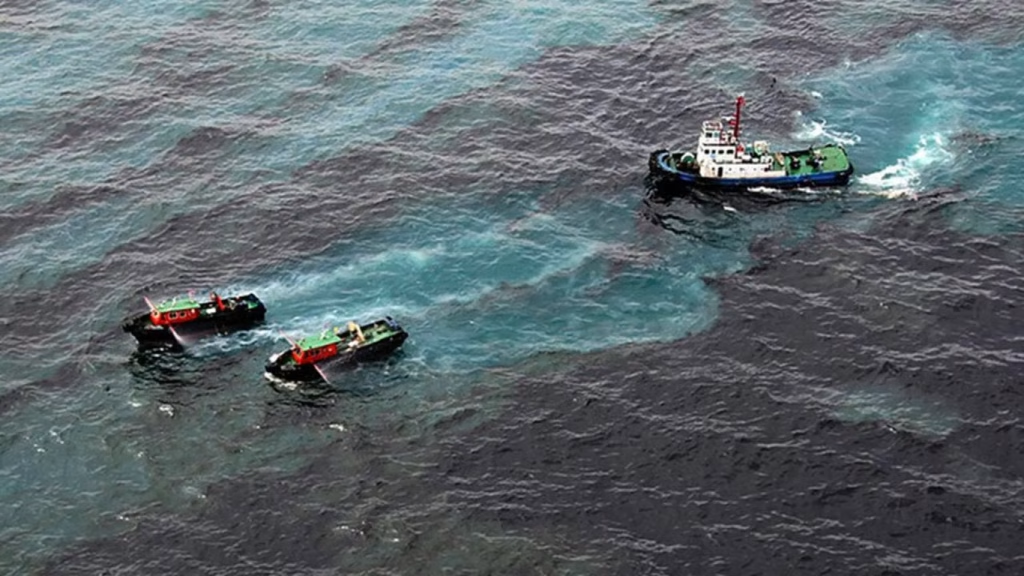
Tilo Maak, a marine biologist and expert at Greenpeace Germany, shares this assessment. He warns that even a minor spill could cause long-term damage to marine ecosystems. According to Greenpeace modeling, a hypothetical large-scale spill in the Baltic Sea could affect the coasts of several countries, including Germany. If a conventional tanker from the «shadow fleet» were to suffer an accident, tens of thousands of tons of oil could be released into the environment, the consequences of which would be felt for years.