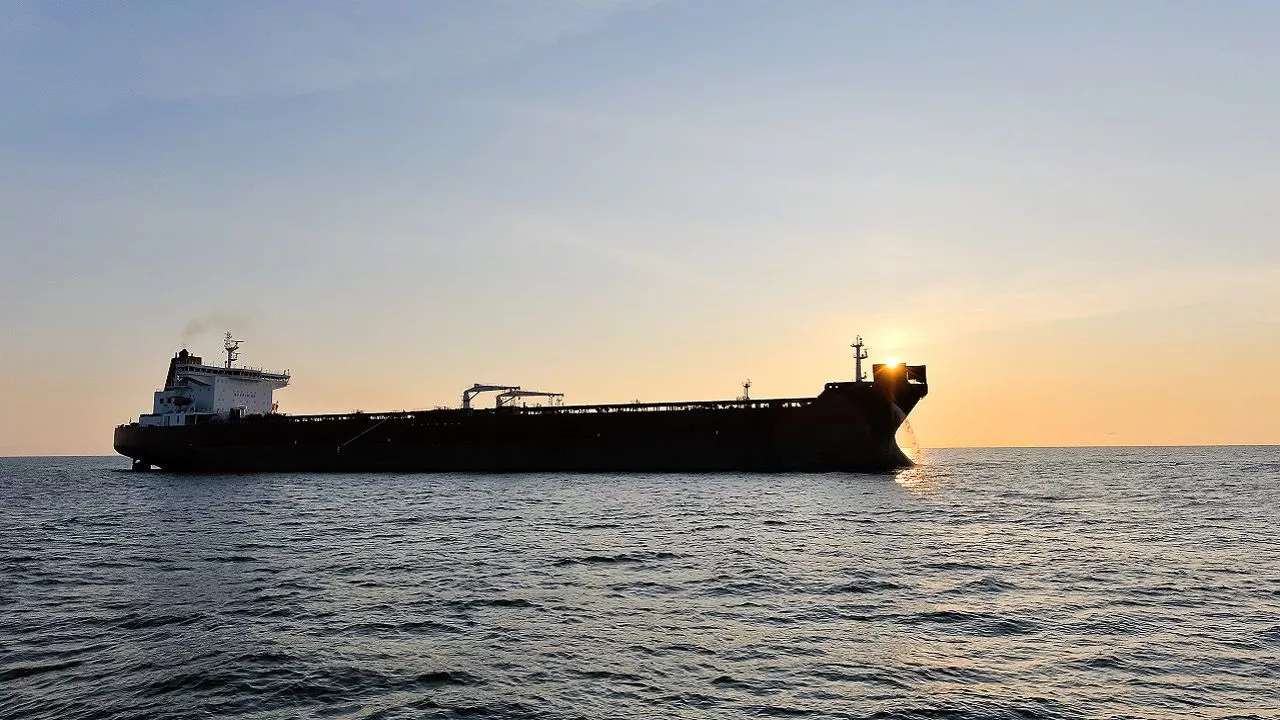
In June 2022, as Russia dug in on its brutal full-scale invasion of Ukraine, the EU responded with a sixth sanctions package placing an embargo on Russian oil, followed by the G7 introduction of a USD 60 per barrel price cap that also prohibits G7 protection and indemnity (P&I) insurance clubs from providing coverage for Russian oil tanker shipments sold above the price cap. Yet, Russia has circumvented the sanctions by assembling a fleet of ‘shadow’ tankers with ownership and insurance outside G7 and EU jurisdictions. These vessels frequently operate with inadequate or no P&I insurance while transporting vast volumes of crude oil on high-traffic routes through narrow straits close to shorelines, with their automatic identification system (AIS) turned off to conceal their location. With an ever increasing number of Russian ‘shadow’ tankers on the high seas, the situation is ripe for an ecological catastrophe with an astronomical clean-up bill.
Serious incidents have already raised the alarm, notably in Europe and Asia, underscoring the need for swift measures to contain the potentially devastating impact of the growing ‘shadow’ fleet.
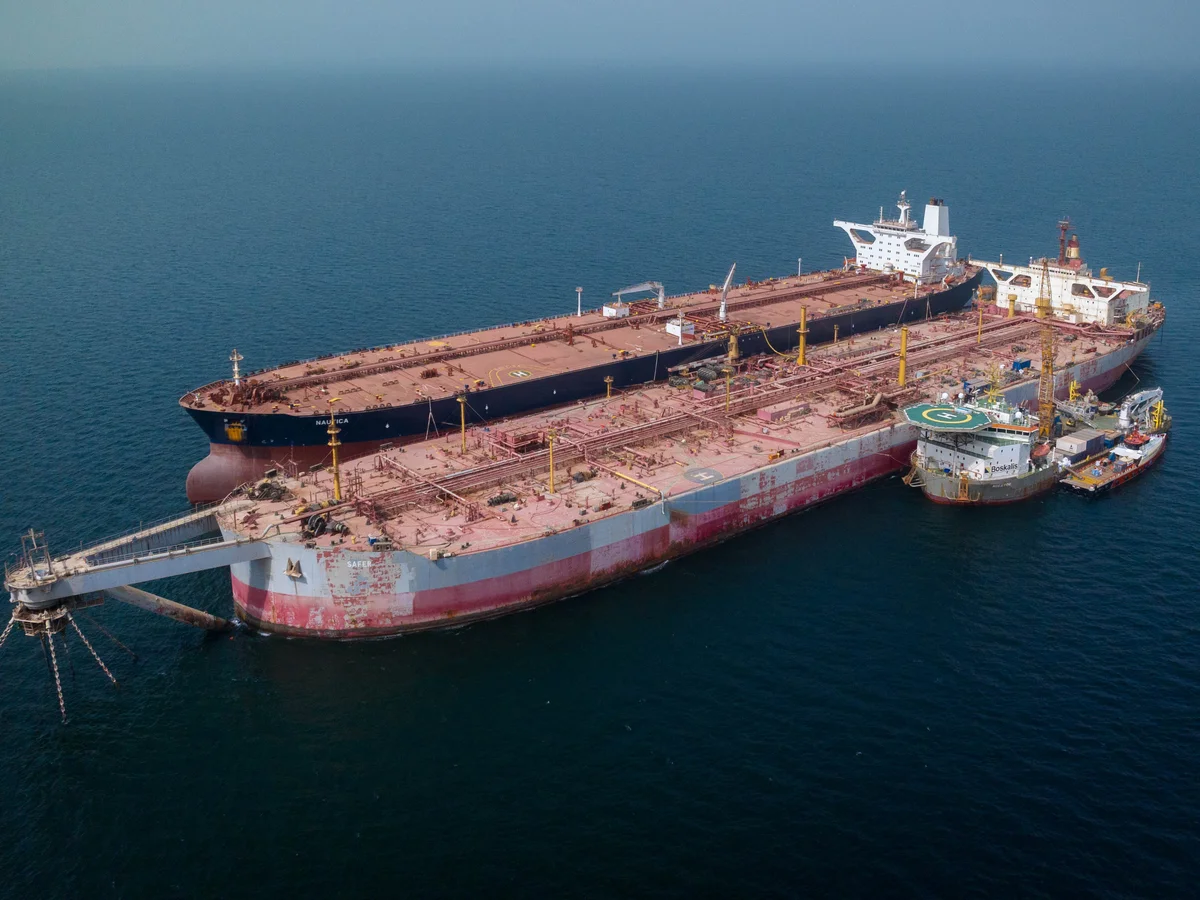
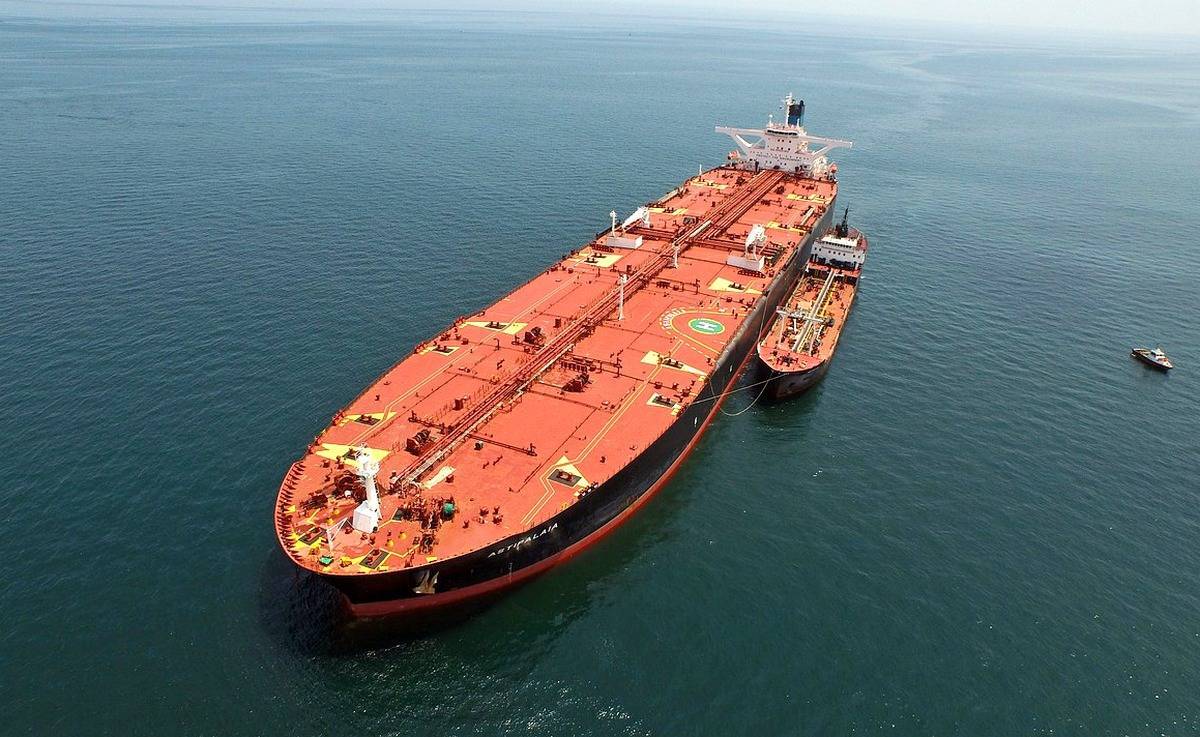
The dominant vessel in the Russian ‘shadow’ fleet is capable of carrying approximately 100,000 tonnes of crude oil. The average cleanup cost in Europe is estimated at USD 8,595 per tonne of oil spilled. Southeast Asia incurs significantly higher expenses, with cleanup costs averaging approximately USD 16,006 per tonne. The cleanup costs for an oil spill involving a typical ‘shadow’ tanker could range from USD 859 mn in Europe to USD 1.6 bn in Southeast Asia.
‘Shadow’ tankers have already been involved in 50 incidents from the Danish Straits all the way to Malaysia since the start of the full-scale invasion of Ukraine. These ageing vessels frequently operate with inadequate or no protection and indemnity (P&I) insurance while transporting vast volumes of crude oil on high-traffic routes through narrow straits close to shoreline while concealing their location.
It is only a matter of time before a catastrophic ecological event unfolds leaving coastal nations to bear the burden for years to come and most likely paying the cleanup bill.