Over 16,000 cases of Russian ships’ AIS signals disappearing in the Baltic Sea in a year, and activity near underwater infrastructure has more than doubled.
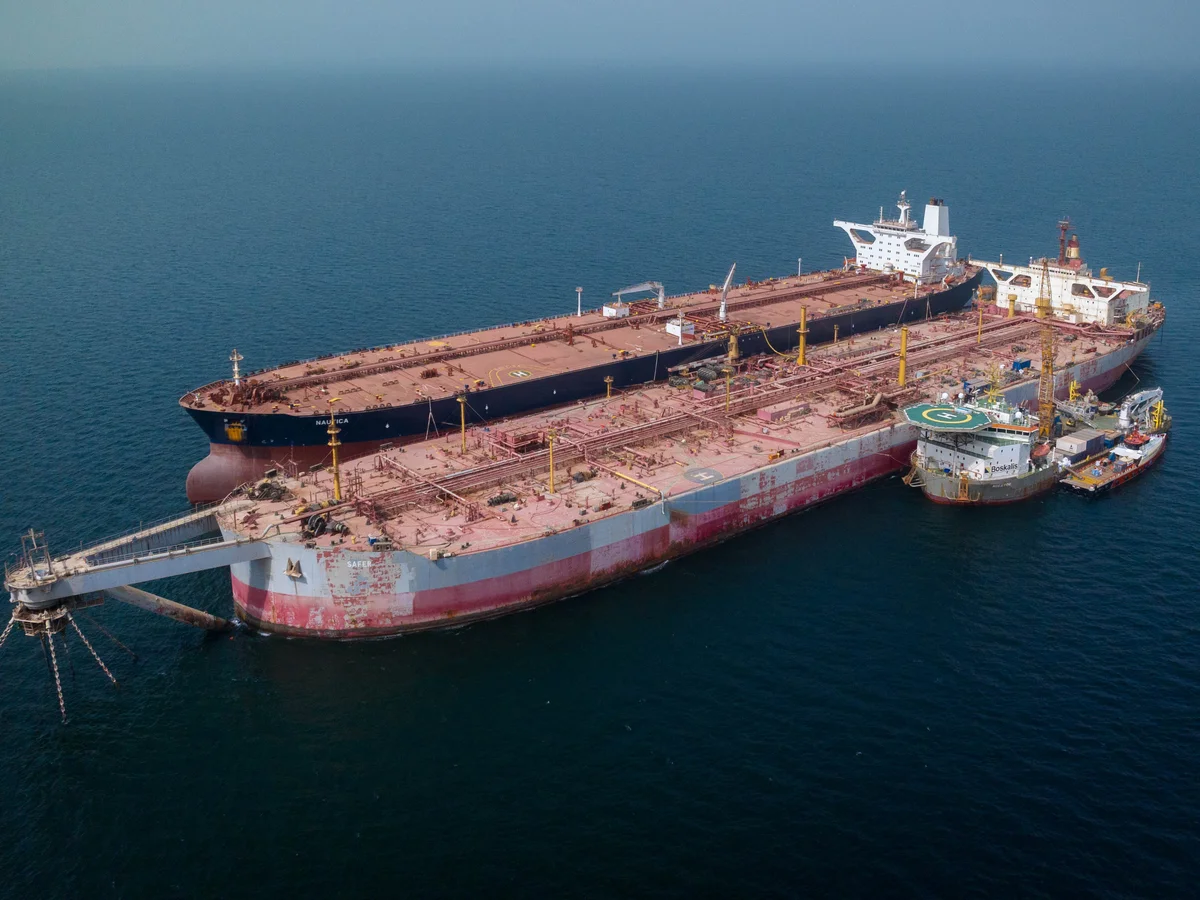
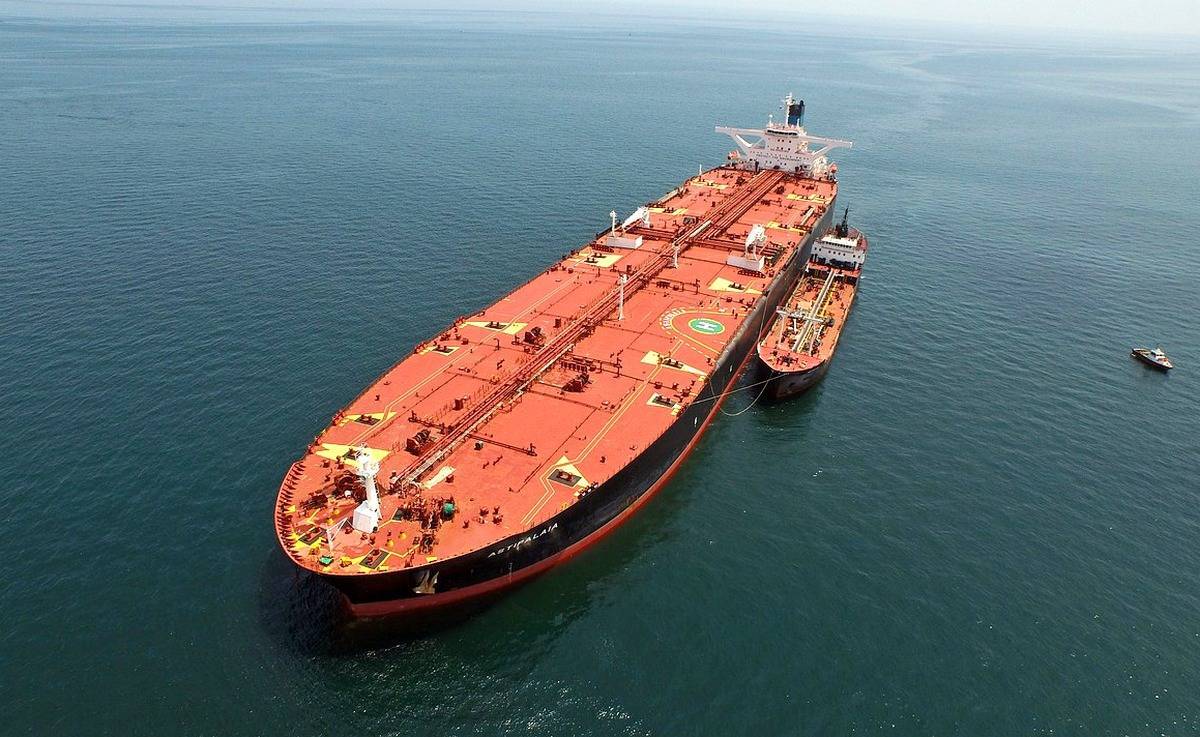
Researchers say Russia’s shadow fleet is being used not only to circumvent oil sanctions, but also for hybrid operations in the Baltic and North Seas.
According to maritime analytics company Windward, 2,313 Russian-linked vessel movements were recorded in the Baltic Sea from February 2024 to February 2025. During the same period, vessel activity near underwater infrastructure increased by 153%. In Finland’s exclusive economic zone, this figure increased by 849%.
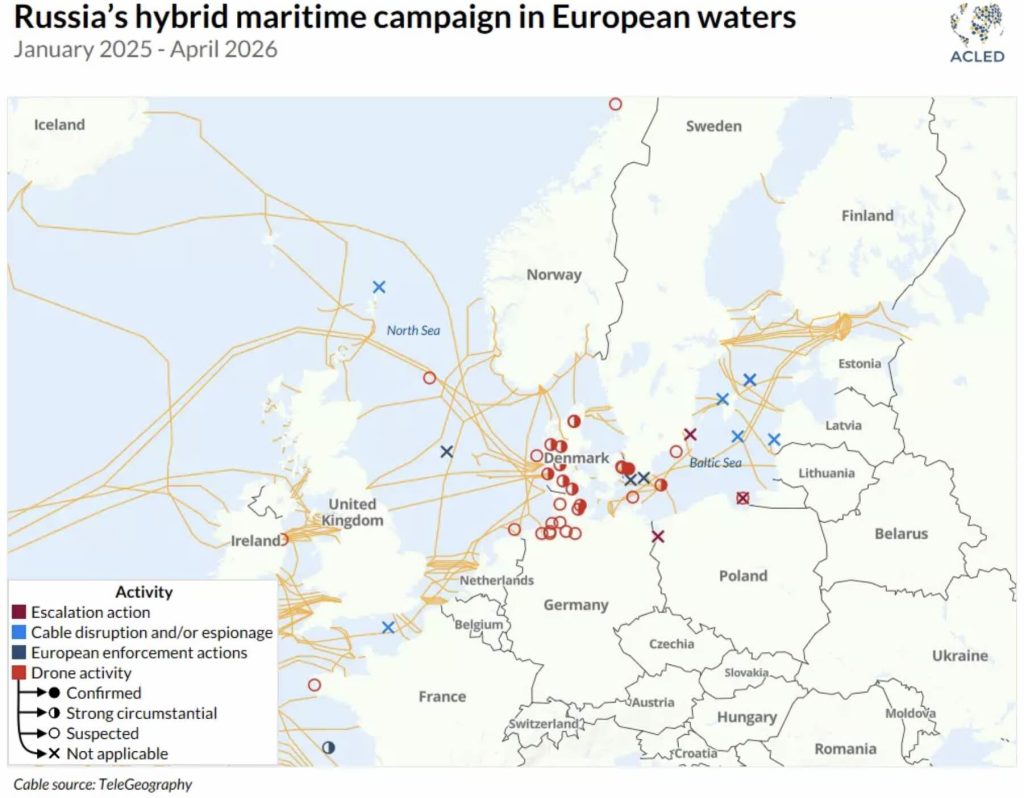
The author of the study, analyst Vitold Stupnitsky, analyzed incidents in 2025-2026, including damage to underwater cables, drone activity, ship seizures, and Russia’s actions in response to sanctions pressure.
According to Ukrainian authorities, the Russian “shadow fleet” has 1,392 ships, while other sources estimate it at up to 3,200. According to researchers, this fleet transports up to 80% of Russian oil exports by sea and accounts for almost a fifth of all oil tankers in the world.
The report also cites data from Windward, according to which 2,313 Russian-related vessel movements were recorded in the Baltic Sea during the year. Vessel activity near underwater infrastructure increased by 153% year-on-year, and in Finland’s exclusive economic zone by 849%.
The researchers recall that since the beginning of 2025, four submarine cables have been damaged in the Baltic Sea. In particular, the Finnish authorities suspect the Eagle S vessel from the “shadow fleet” of damaging the Estlink 2 power cable between Estonia and Finland in late 2024.
Separately, the report mentions the activity of drones over ports, military bases and airports in Belgium, Denmark, Germany and Norway. In total, 54 such incidents were recorded in 2025.
The authors of the study also note that Russia has begun to more actively re-register ships under its own flag, trying to make it more difficult for European countries to detain them. Since May 2025, almost 70 ships have already been transferred to the Russian register.
The report emphasizes that the confrontation around the “shadow fleet” creates a risk of further escalation in the Baltic and North Seas.