
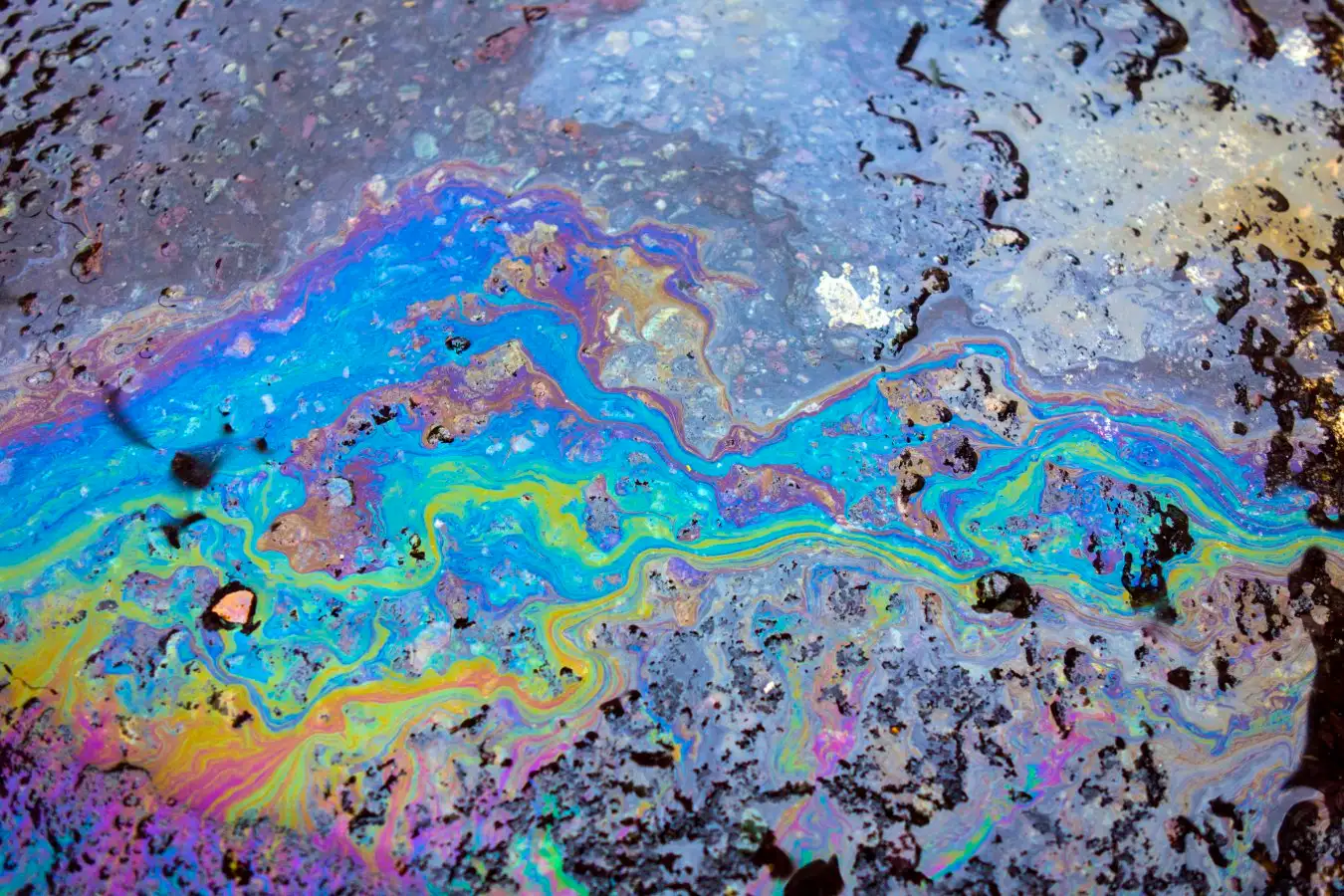
Oil is an important natural resource for many industries, but it can lead to serious environmental damage when accidentally spilled. While large oil spills are highly publicized, every year there are many smaller-scale spills into lakes, rivers and oceans. And, according to research published in ACS’ Energy & Fuels, the longer that oil remains in freshwater, the more chemical changes it undergoes, creating products that can persist in the environment
The team simulated a freshwater oil spill in the laboratory by combining water and river sediment collected directly from the North Saskatchewan River in Alberta, Canada, in a tank and then adding conventional crude oil obtained from a pipeline operator in Alberta. The test was carried out at around 75 degrees Fahrenheit for 56 days. Water samples were taken at multiple time points from the simulated spill and subjected to Fourier-transform ion cyclotron resonance (FT-ICR) and ion trap mass spectrometry, which provided detailed information into the chemical makeup of these complicated mixtures.
Researchers concluded that as the oil weathered, more and more oxygen atoms were incorporated into some compounds, causing them to become more persistent in water. As a result, higher concentrations of the oxygen-loaded chemicals could build up, potentially increasing the impact on aquatic organisms. This increase in oxygen atoms was observed for sulfur oxide compounds, along with some other classes of compounds present in the crude oil mixture. McMartin and team members say these results emphasize the importance of rapid responses to oil spills and could help set benchmarks for longer-term remediation efforts.