Against the backdrop of the war, whose lifeblood is Russian oil transportation, Russia’s ability and desire to ensure the safety of petroleum product transportation has diminished. However, environmental safety in this sector was not a priority even before this.
According to environmentalists, the main reason for such accidents is the indifferent attitude of the state and all its agencies, as well as big business, toward environmental safety issues. This is due to the irresponsibility of specific individuals and organizations for such tragedies, gaps in legislation and its deliberate weakening in recent years (in particular, the requirement for oil spill response plans (OSRPs) for federal subjects was abolished in 2021), business lobbying to undermine environmental standards and procedures, and the demise of the professional environmental community and free press in the country.
Despite the harsh lesson taught by previous authorities, the Russian authorities have learned nothing and are unprepared. If the procedures, technical means, and regulations for exporting heavy petroleum products have changed at all, they’ve only increased the risk of accidents, while the fleet transporting them has aged by 17 years. Government agencies fail to strictly enforce existing environmental safety standards, let alone improve legal norms based on analysis of past accidents.
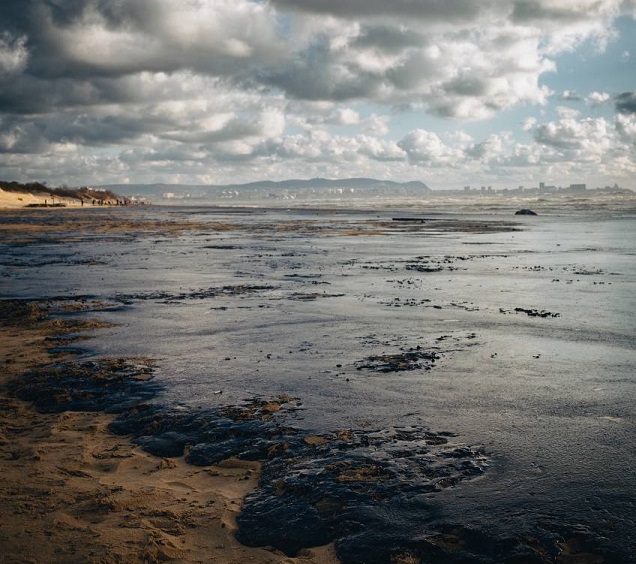
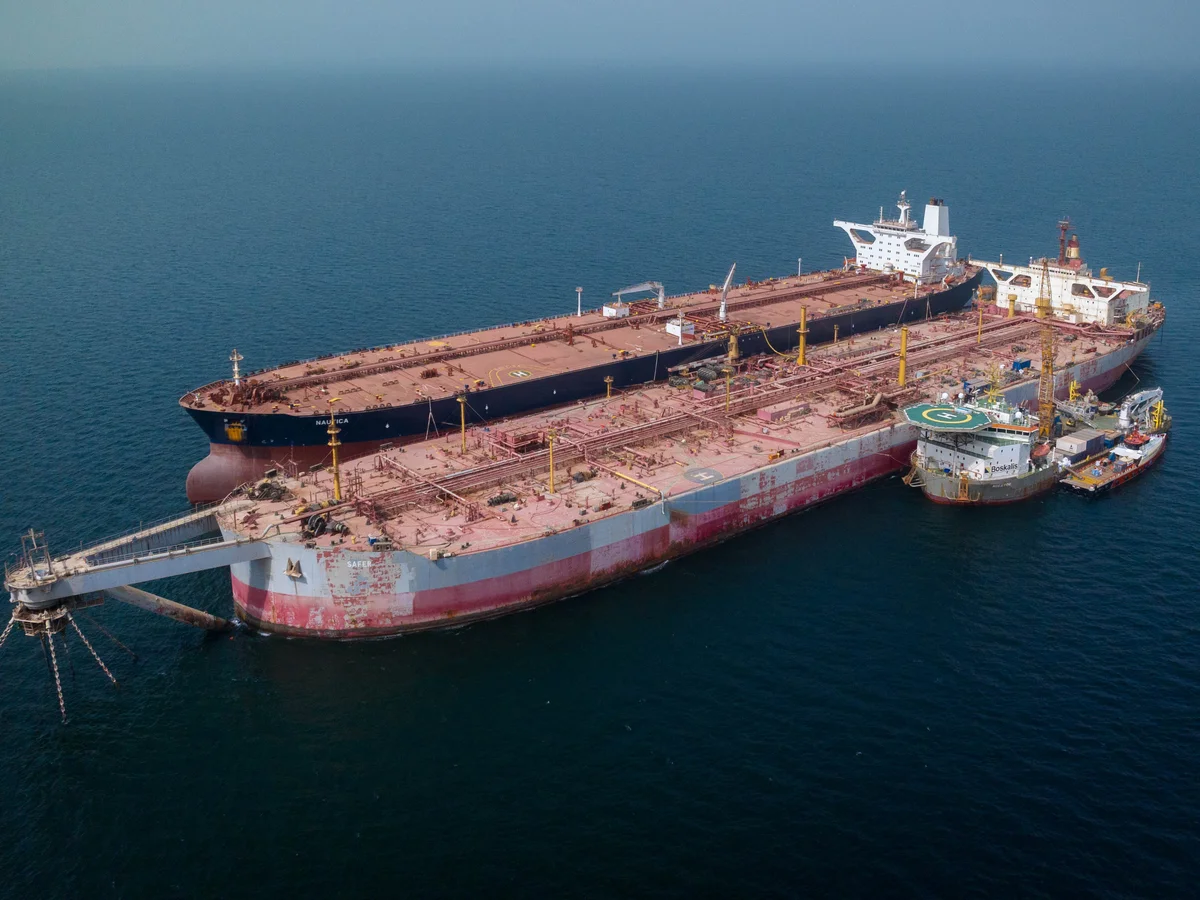
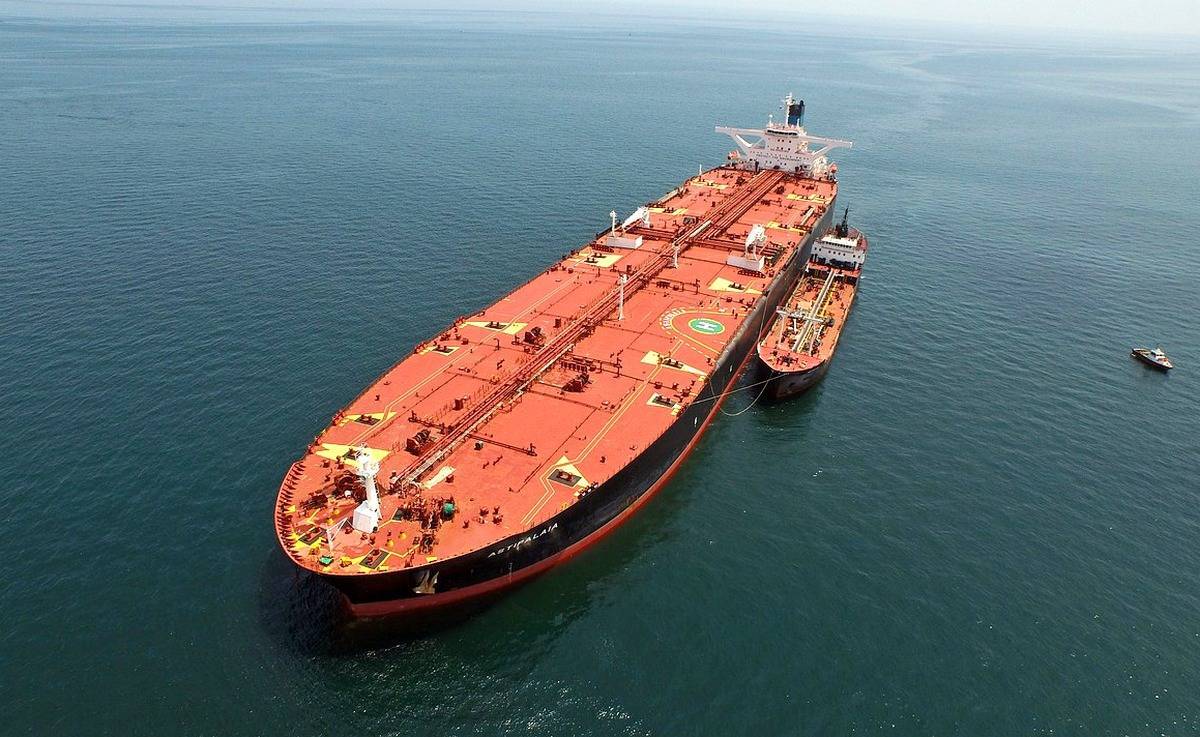
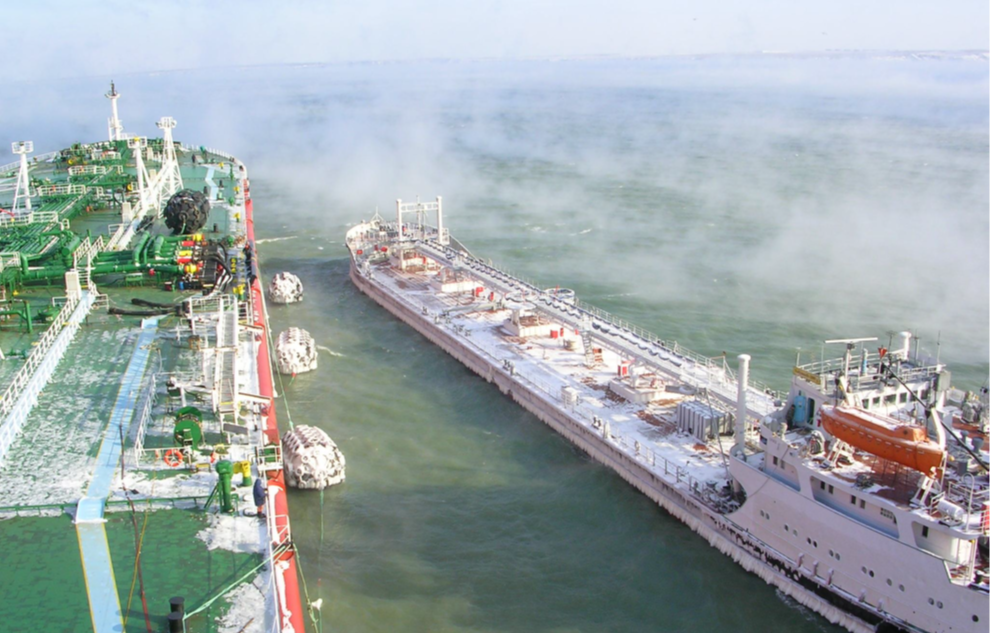
Roadside ship-to-ship transfers at sea, which are particularly prone to oil leaks and spills, continue to be strongly encouraged. For example, the «justification» for this activity does not even consider the possibility of an accident involving a «tanker» breaking in half during a severe storm, even though this very incident occurred in this waterway in 2007. The exercises conducted by STS TRANS LLC just two months before the next disaster in the Kerch Strait in 2024 failed to ensure the company’s readiness to respond to an oil spill. All of this was approved by the highest regulatory authority, Rosprirodnadzor.
Outdated oil refining technologies at refineries in the Volga region apparently also contribute to the production of large volumes of «fuel oil,» essentially a toxic mixture of cracking waste, for which there is no consumer or processing capacity within Russia. However, there is demand for it at more advanced refineries in other countries. This, coupled with the lack of proper government oversight, creates irresistible incentives to continue using old, unseaworthy river tankers to deliver fuel oil to export vessels waiting at sea.
This situation in Russia is a clear anomaly compared to global trends. According to Russian researchers, the number and volume of major oil and petroleum product spills during shipping decreased dramatically globally between 1970 and 2021. This downward trend in oil spills has persisted despite the overall increase in oil trade during this period. In the 2010s, the total number of oil spills amounted to 164,000 tons, 95% less than in the 1970s. This overall decline in the number and volume of oil and petroleum product spills can be attributed to the adoption of the international MARPOL Convention, which established requirements for the double-hull design of oil tankers, the development of navigational systems, the introduction of strict national legislation, and the development and implementation of multi-level oil spill response systems. Russia, as a leading oil power, should be at the forefront of this process, but in fact, it is lagging behind.